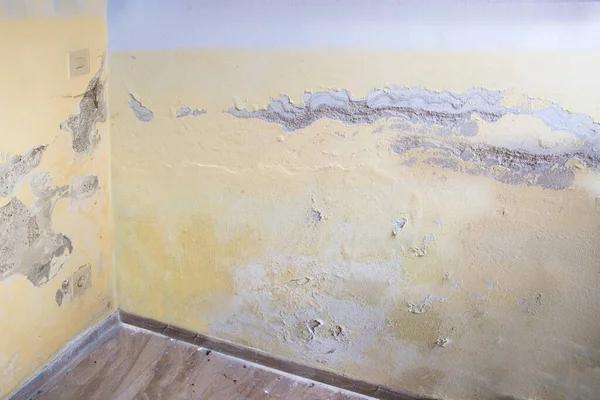
Water damage can strike unexpectedly, leaving homeowners and businesses in a state of disarray. Whether caused by natural disasters, plumbing failures, or structural issues, addressing water damage promptly is crucial to minimize long-term effects and restoration costs. Understanding the top water damage restoration solutions for emergency situations can be invaluable for anyone facing such a crisis.
The immediate step in any water damage situation is to assess the extent of the damage. This involves identifying the source of the water intrusion and categorizing it according to its contamination level—clean, gray, or black water. Clean water poses minimal risk as it originates from sources like broken pipes or rainwater. Gray water might contain contaminants from appliances like washing machines or dishwashers, while black water is highly contaminated with pathogens due to sewage backups or flooding.
water damage restoration in Oregon City
Once assessed, stopping further ingress of water becomes paramount. This could involve shutting off main valves Restoration Techs in Oregon City case of pipe bursts or using sandbags during floods to divert incoming waters. Quick action here can significantly reduce overall damage.
Next comes the removal phase where excess standing water needs extraction using high-powered pumps and vacuums designed specifically for this purpose. Time is critical; prolonged exposure leads to increased saturation levels that facilitate mold growth within 24-48 hours—a health hazard that complicates restoration efforts further.
Following extraction, dehumidification and drying processes are employed using industrial-grade equipment such as air movers and dehumidifiers which help evaporate residual moisture trapped within walls, floors, carpets, and other materials. Monitoring humidity levels throughout ensures thorough drying without causing additional structural stress due to rapid changes in temperature or humidity.
Sanitization follows suit once areas are adequately dried out; this involves cleaning all affected surfaces with antimicrobial agents preventing mold spores’ growth while eliminating any bacteria present due to contaminated waters involved initially.
Structural repairs come into play post-sanitization where damaged drywall sections may require replacement alongside insulation materials compromised during initial stages—ensuring no hidden pockets harboring moisture remain undetected leading future complications down line if left unchecked now instead being addressed immediately upon discovery itself rather than delaying until later date when symptoms manifest visibly again after some time has passed unknowingly meanwhile allowing problem exacerbate unnoticed till then unfortunately ultimately resulting costly repairs avoidable had proper measures taken earlier on beforehand already proactively instead reactively responding only afterwards too late sometimes sadly so better safe than sorry always best practice remember!
In conclusion: preparedness key handling emergencies effectively efficiently possible through understanding implementing appropriate solutions timely manner necessary ensure successful recovery minimizing impact both financially emotionally those involved directly indirectly alike!
Restoration Techs
404 Beavercreek Rd #232, Oregon City, OR 97045
971-529-6515