Mini split systems have become increasingly popular among energy-conscious homeowners due to their efficiency, flexibility, and ease of installation. These systems provide both heating and cooling through a single unit, making them an excellent choice for maintaining comfortable indoor temperatures year-round while minimizing energy consumption. Unlike traditional HVAC systems that rely on ductwork, mini splits use individual air handlers installed in specific rooms or zones. This design allows for precise temperature control in different areas of the home, reducing wasted energy by avoiding the need to heat or cool unoccupied spaces.
One significant advantage of mini split installation is its high energy efficiency. These units operate using inverter-driven compressors that adjust speed based on demand rather than running at full capacity continuously. This variable-speed technology reduces electricity usage by only consuming power necessary to maintain the desired temperature. Additionally, because there is no ductwork involved, energy losses associated with leaks or poor insulation in ducts are eliminated. According to studies from the U.S. Department of Energy, duct losses can account for more than 30% of energy consumption in conventional forced-air systems; thus, mini splits offer a substantial improvement in overall system efficiency.
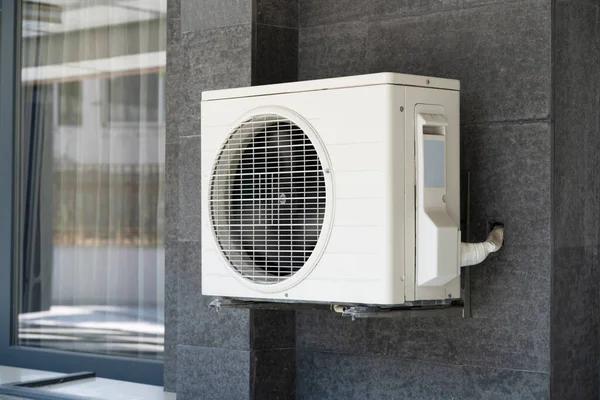
Another benefit lies in their straightforward installation process compared to traditional HVAC setups. Mini splits require only a small hole through an exterior wall to connect the indoor unit with the outdoor compressor via refrigerant lines and electrical wiring. This minimal intrusion means less disruption during installation and lower labor costs since extensive modifications like installing ducts are unnecessary. Homeowners can often install these units without major renovations or structural changes, making them suitable for older homes where adding ductwork might be impractical or expensive.
Furthermore, Mini Split systems contribute positively to indoor air quality by incorporating advanced filtration technologies within each air handler unit. These filters capture dust particles and allergens more effectively than many conventional central air systems that recirculate air throughout multiple rooms via shared ducts which can spread contaminants if not properly maintained.
The ability to individually control comfort levels also enhances user satisfaction while promoting responsible energy use habits among occupants who can tailor settings according to personal preferences without affecting other areas unnecessarily.
In summary, mini split installations offer considerable benefits for those prioritizing energy savings and environmental responsibility without sacrificing comfort or convenience at home. Their efficient operation combined with flexible zoning capabilities makes them an ideal solution for modern households seeking sustainable climate control options while reducing utility expenses over time.