Septic systems play a crucial role in managing household wastewater, especially in areas without access to municipal sewer lines. Proper maintenance and regular inspections of these systems are essential not only for environmental health but also for preserving the value of your property. Neglecting septic system care can lead to costly repairs, unpleasant odors, and even structural damage, all of which can significantly decrease your home’s market appeal.
One of the primary reasons septic maintenance protects property value is by preventing system failures that result in sewage backups or leaks. When a septic tank becomes overloaded with solids or sludge due to infrequent pumping, it can clog drain fields and cause untreated wastewater to surface on the ground. This creates unsightly conditions and poses serious health risks from exposure to harmful bacteria and pathogens. Potential buyers are likely to be deterred by such issues, lowering demand and reducing the price you could command for your home.
Septic Tank Inspection
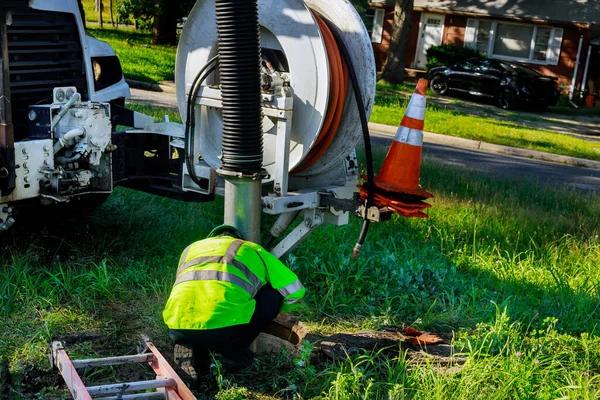
Regular inspections help identify problems early before they escalate into expensive repairs. A professional inspector evaluates key components such as the tank’s integrity, baffle condition, effluent filters, and drain field functionality. Detecting cracks or blockages allows homeowners to address minor issues promptly rather than waiting until they read more become severe problems requiring major reconstruction or replacement of parts of the system. Timely interventions save money while maintaining smooth operation.
Routine maintenance also extends the lifespan of your septic system by keeping it operating efficiently over many years. Pumping out accumulated solids every three to five years prevents sediment buildup that compromises treatment effectiveness within the tank itself. Maintaining healthy bacterial activity inside ensures proper breakdown of waste materials so only treated liquid enters the soil absorption area without causing contamination.
In addition to protecting physical assets like landscaping and foundation integrity from water damage caused by failing septic systems, upkeep demonstrates responsible ownership during real estate transactions. Buyers often request inspection reports confirming that plumbing infrastructure meets safety standards; having documentation proving recent servicing provides reassurance about future performance reliability.
Furthermore, well-maintained septic systems contribute positively toward neighborhood environmental quality by minimizing groundwater pollution risks associated with untreated effluent seepage into surrounding soils and water sources. This factor indirectly supports overall community property values since clean environments attract residents willing to invest in their homes long term.
In summary, consistent septic maintenance combined with periodic inspections safeguards both functional efficiency and aesthetic appeal related to wastewater management on your property. These practices prevent costly damages while reinforcing buyer confidence when selling a house equipped with an onsite sewage treatment facility. Prioritizing this aspect preserves investment worthiness through proactive care rather than reactive fixes after failure occurs-ultimately securing higher resale potential alongside peace of mind regarding sanitation standards compliance at all times.
Gray Septic Solutions
Savannah, GA 31405
912-661-4089