
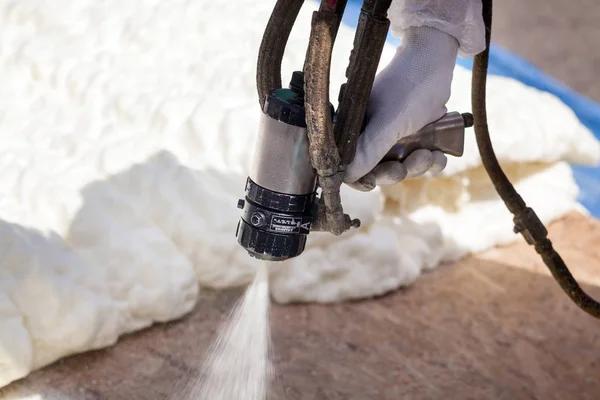
Spray foam insulation has become an increasingly popular choice for homeowners looking to improve their home’s energy efficiency and comfort. Unlike traditional insulation materials such as fiberglass or cellulose, spray foam expands upon application, filling gaps and cracks with a seamless barrier that prevents air leakage. This characteristic makes it highly effective at reducing drafts and maintaining consistent indoor temperatures throughout the year. As a result, homeowners often notice lower heating and cooling costs after installing spray foam insulation.
One of the key advantages of spray foam is its superior air sealing capability. Air leaks in walls, attics, and basements can significantly impact energy consumption by allowing conditioned air to escape and outdoor air to enter. Spray foam creates an airtight seal that minimizes these leaks more effectively than many other insulation options. This not only helps reduce utility bills but also contributes to enhanced indoor comfort by eliminating cold spots during winter and hot zones during summer.
In addition to improving energy efficiency, spray foam provides excellent moisture resistance. Traditional insulation materials can absorb water or allow moisture to pass through, potentially leading to mold growth and structural damage over time. Spray foam acts as both an insulator and a vapor barrier, preventing moisture infiltration while maintaining breathability where necessary. This quality helps protect the building envelope from deterioration caused by excess humidity or water intrusion.
Another benefit worth noting is the added structural strength that closed-cell spray foam offers when applied correctly. It adheres tightly to surfaces like wood or metal framing members, reinforcing walls and roofs against external forces such as strong winds or seismic activity. This feature can contribute positively toward overall home durability without requiring additional construction modifications.
Spray foam installation also tends to be faster compared to some conventional methods since it expands quickly on contact with surfaces, conforming easily around irregular shapes like pipes or wiring conduits within wall cavities. The reduced labor time translates into cost savings for homeowners who want efficient upgrades without prolonged disruption inside their homes.
Furthermore, spray foam’s ability to reduce noise transmission between rooms enhances acoustic comfort in busy households or multi-family dwellings where soundproofing is desirable but difficult using standard techniques alone.
While initial costs of spray foam may be higher than other types of insulation materials upfront, long-term benefits including substantial energy savings combined with improved indoor air quality make it a worthwhile investment for many homeowners seeking lasting value from their home improvements.
Overall, understanding these benefits allows homeowners to make informed decisions about whether spray foam insulation suits their needs based on climate conditions, budget considerations, and desired performance outcomes within their living environments.