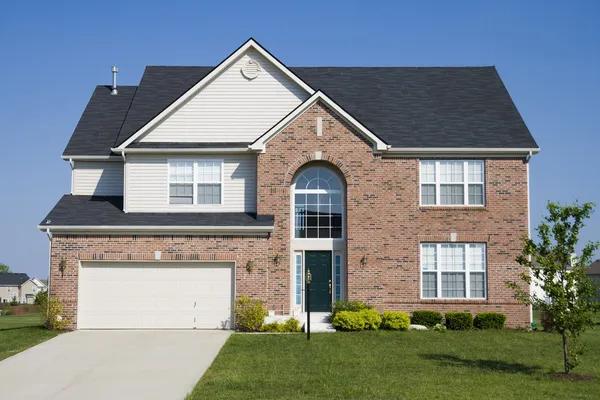
Improving a home’s exterior is an investment that enhances curb appeal, increases property value, and provides lasting protection against the elements. To achieve improvements that endure over time, it is essential to focus on quality materials, proper preparation, and thoughtful design choices. One of the most effective ways to ensure longevity is selecting durable siding options such as fiber cement, brick, or high-quality vinyl. These materials resist weather damage better than cheaper alternatives and require less frequent maintenance. Proper installation by experienced professionals also plays a critical role in preventing issues like water infiltration or warping.
Another crucial aspect involves regular upkeep paired with preventative measures. Maintaining gutters and downspouts prevents water from pooling near foundations and causing structural damage. Additionally, ensuring that paint or stain coatings are applied correctly can protect wood surfaces from rot and insect infestation while preserving their appearance for years. Opting for premium exterior paints with UV resistance helps prevent fading caused by sunlight exposure.
Landscaping contributes significantly click to find out both aesthetic appeal and the durability of a home’s exterior environment. Using native plants reduces water consumption while promoting soil stability around the foundation. Incorporating well-designed drainage systems directs rainwater away efficiently, minimizing erosion risks that could compromise landscaping features or building bases.
Windows and doors form another focal point when upgrading exteriors for lasting impact. Energy-efficient models not only improve insulation but also withstand harsh weather conditions better than older units. Choosing frames made from composite materials or treated wood ensures resistance to moisture damage without sacrificing style.
Lighting fixtures should be selected with attention to weatherproofing capabilities alongside visual enhancement goals. Outdoor lighting improves safety during nighttime hours while highlighting architectural details attractively; however, fixtures must be rated for outdoor use to avoid corrosion.
When planning any exterior improvement project, considering climate factors specific to your region guides material selection and design decisions effectively. For example, homes in coastal areas benefit from salt-resistant finishes whereas those in cold climates require frost-proof elements.
Finally, investing time in thorough surface cleaning before applying new treatments guarantees better adhesion of paints or sealants which extends their lifespan considerably compared to neglecting this step.
By combining these best practices-quality materials choice, professional installation, routine maintenance strategies, appropriate landscaping techniques tailored to local conditions along with energy-efficient window upgrades-homeowners can achieve an attractive exterior that withstands environmental stresses gracefully over many years without frequent costly repairs or replacements disrupting daily life routines unexpectedly.