Commercial property protection is a critical aspect of managing and maintaining business premises. Among the various safety measures, effective fire partitioning stands out as a fundamental strategy to safeguard commercial buildings from the devastating impacts of fire. Fire partitioning involves the use of fire-resistant barriers within a building to contain and limit the spread of fire, thereby protecting occupants, assets, and the structural integrity of the property.
The importance of fire partitioning in commercial buildings cannot be overstated. Fires can spread rapidly through open spaces, compromising safety and causing extensive damage. Properly installed fire partitions act as a crucial defense mechanism, creating compartments that isolate fire and smoke. This containment not only slows down the spread but also provides valuable time for evacuation and emergency response teams to act effectively.
Effective fire partitioning starts with understanding the specific needs of a commercial property. Different types of businesses have varying risks, layouts, and occupancy levels, all of which influence fire safety requirements. For example, warehouses fire partitioning for commercial buildings storing flammable materials require more robust fire barriers compared to office spaces. Therefore, fire partitions must be designed and constructed following local fire codes and regulations, which specify fire-resistance ratings and materials suitable for commercial use.
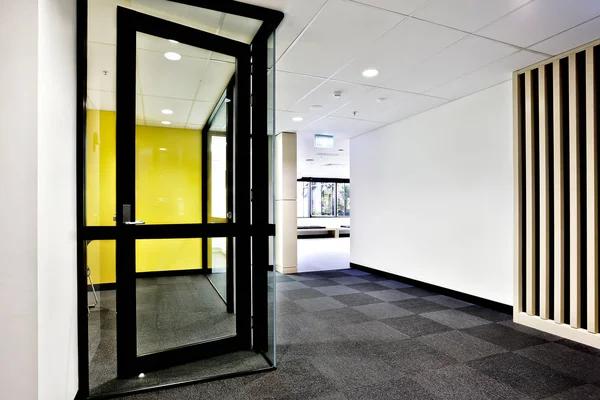
Materials used in fire partitioning include fire-resistant drywall, concrete, metal studs, and specialized fire-rated glass. These materials are tested to withstand fire exposure for specific durations, often ranging from 30 minutes to several hours. The selection of materials and partition design should align with the building’s fire safety plan, ensuring that critical areas like stairwells, corridors, and utility rooms are adequately protected.
In addition to installation, regular maintenance and inspection are vital to maintain the effectiveness of fire partitions. Over time, damage, renovations, or improper modifications can compromise fire barriers. Routine checks help identify and repair any weaknesses, ensuring continuous protection. Moreover, integrating fire partitions with other safety systems such as sprinklers, alarms, and smoke detectors enhances the overall fire safety strategy of a commercial building.
In conclusion, commercial property protection begins with a well-planned and executed fire partitioning system. By containing fire and smoke within designated areas, fire partitions protect lives, reduce property damage, and provide peace of mind to business owners and occupants. Investing in high-quality fire partitioning solutions and adhering to safety codes is essential for any commercial building aiming to minimize fire risks and ensure a safe environment for all.