Repairing your hot water system can seem daunting, but with some smart strategies and practical tips, you can manage the task efficiently while saving money. Hot water systems are essential for comfort and daily routines, so ensuring they function correctly is crucial. Here are some essential tips to help you repair your hot water system effectively.
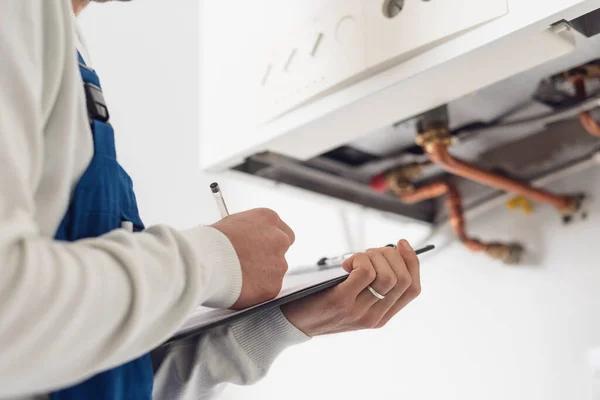
Firstly, conduct a thorough inspection of your hot water system. Regular checks help identify issues before they escalate into significant problems. Look for signs of leaks around the tank or pipes, as these can indicate wear and tear or damage that needs attention. Additionally, listen for unusual noises such as banging or hissing sounds which could signal sediment buildup or pressure issues within the tank.
Once you’ve identified potential problems, consider whether it’s something you can handle yourself or if professional intervention is necessary. For minor issues like tightening loose connections or replacing worn-out washers in faucets, a DIY approach might suffice. However, more complex tasks such as dealing with electrical components or gas lines should be left to qualified professionals to ensure safety and compliance with regulations.
Another cost-effective tip is regularly flushing your hot water tank to remove sediment buildup at the bottom. Sediment accumulation not see full article only reduces efficiency but also shortens the lifespan of your heater by causing overheating and corrosion. Flushing involves draining a portion of the tank’s content through its drain valve until clear water runs out; this simple maintenance step can significantly enhance performance.
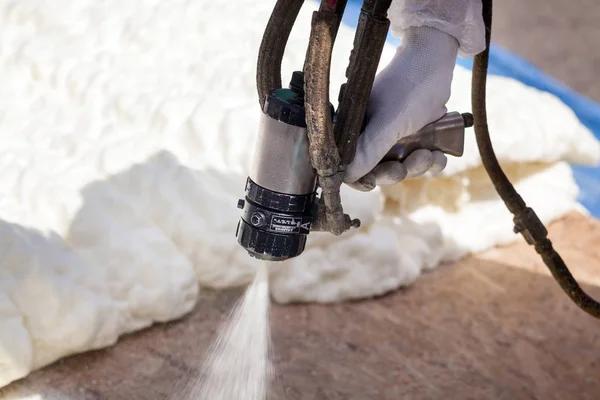
Investing in insulation for both the tank and surrounding pipes is another excellent way to save on energy bills while maintaining optimal functionality of your hot water system. Insulating materials minimize heat loss during operation thus reducing energy consumption needed to maintain desired temperatures—a win-win situation where efficiency meets cost-saving benefits!
Furthermore, adjusting thermostat settings according to seasonal demands ensures efficient use without unnecessary expenditure on heating costs throughout different times of year—especially during warmer months when lower temperature settings suffice just fine! Aim between 120-140 degrees Fahrenheit depending upon personal preference balancing comfort against economic considerations wisely here pays off handsomely over time too!
Lastly yet importantly: know when replacement becomes inevitable despite best efforts maintaining existing equipment properly all along course usage lifecycle journey embarked upon initially together once started long ago now perhaps nearing end soon enough eventually someday maybe who knows exactly what future holds? When repairs no longer feasible due age-related factors beyond control simply accept reality move forward accordingly embracing change positively instead resisting inevitable transitions gracefully accepting new beginnings fresh starts anew again always better option ultimately than clinging past relics outdated technologies forevermore indefinitely prolonging agony unnecessarily otherwise needlessly altogether futile exercise indeed never worth pursuing whatsoever under any circumstances imaginable really truly honestly believe me trust my advice sincerely wholeheartedly assuredly guaranteed satisfaction promised delivered every single time consistently reliably dependably faithfully!