
Garage door insulation is an essential aspect of maintaining energy efficiency and comfort in your home. An insulated garage door can significantly reduce heat loss, prevent cold air from seeping into living spaces, and even contribute to lower energy bills. Whether you’re using your garage as a workspace, storage area, or simply for parking vehicles, improving its insulation can offer numerous benefits.
One of the primary reasons homeowners choose to insulate their garage doors is to enhance thermal efficiency. A well-insulated garage acts as a buffer zone between the outdoor environment and the interior of your home. This barrier helps maintain a consistent temperature inside the house by minimizing heat transfer through walls adjoining the garage. Consequently, this reduces the strain read on heating and cooling systems, leading to potential savings on utility bills.
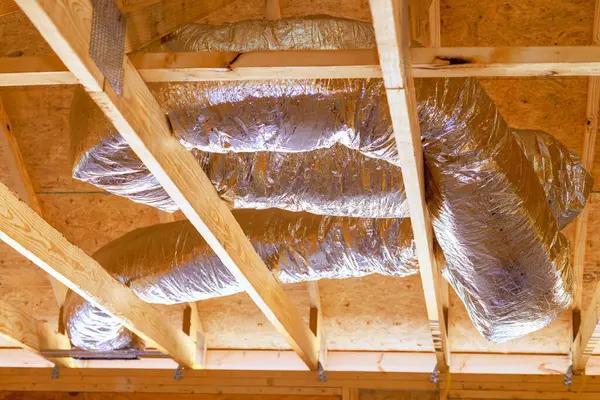
There are several methods available for insulating a garage door effectively. One popular option is installing foam board insulation panels directly onto the interior surface of the door. These rigid panels provide excellent thermal resistance and are relatively easy to cut and fit according to specific dimensions. Another approach involves using reflective foil insulation which works by reflecting radiant heat away from the door’s surface.
Weatherstripping plays a crucial role in enhancing garage door insulation as well. By sealing gaps around edges where air might infiltrate or escape, weatherstripping improves overall airtightness dramatically—thus boosting efficiency further still! It’s important not only because it keeps warm/cold drafts out but also prevents moisture buildup inside garages too!
For those who prefer DIY projects over hiring professionals when tackling home improvement tasks like these: fear not—many products come with detailed instructions making installation straightforward enough even if you’re new at handling such jobs yourself without prior experience beforehand whatsoever!
Moreover – don’t forget about upgrading existing hardware components either; replacing worn-out rollers/tracks/springs ensures smooth operation while simultaneously reducing noise levels during use (an added bonus).