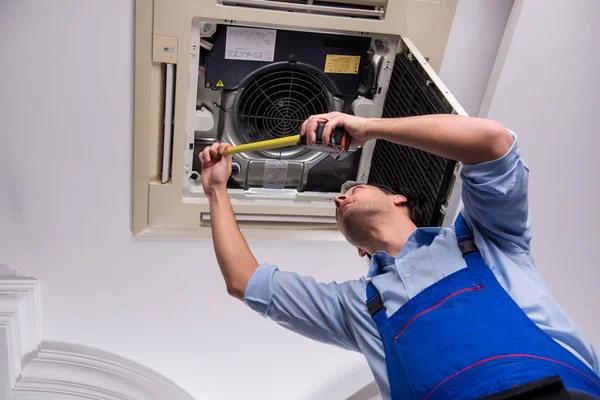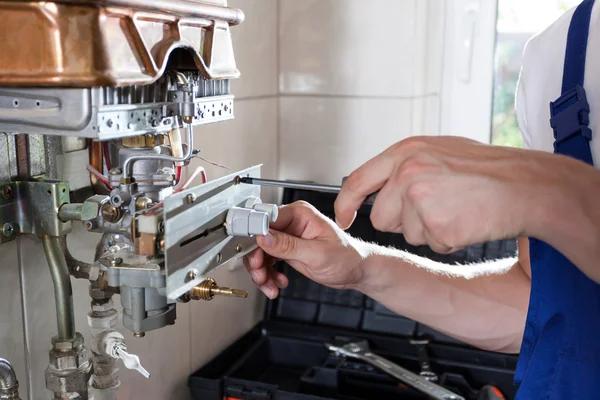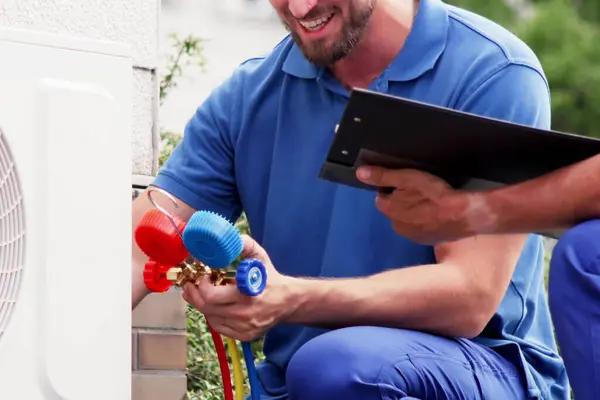
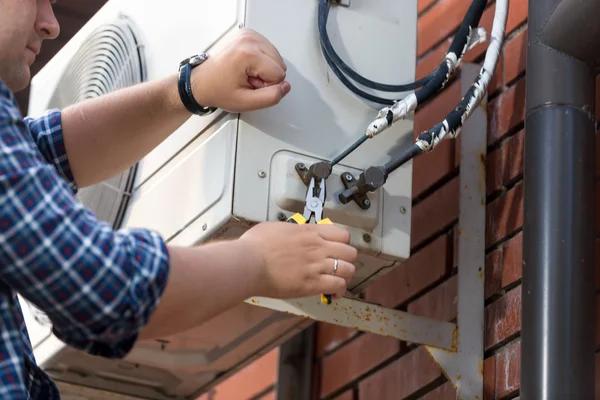
Maintaining healthy indoor air quality is crucial for the well-being of occupants in any residential or commercial space. One of the most significant contributors to indoor air quality is the heating, ventilation, and air conditioning (HVAC) system, particularly the air conditioning (AC) unit. Professional AC repair plays a vital role in ensuring that these systems function efficiently and effectively, thereby promoting a healthier indoor environment.
Air conditioners do more than just cool the air; they also filter and circulate it throughout the building. Over time, dust, dirt, pollen, and other airborne particles can accumulate within an AC system’s filters and ducts. If not properly maintained or repaired when necessary, these contaminants can be recirculated into the living spaces, potentially leading to respiratory issues or allergic reactions among occupants. Regular professional maintenance ensures that filters are clean and functioning correctly, significantly reducing the amount of pollutants in the indoor air.
Moreover, moisture control is another critical aspect where professional AC repair proves essential. Air conditioners help regulate humidity levels within a building by removing excess moisture from the air. However, if an AC unit is malfunctioning due to clogged drains or refrigerant leaks, it may fail to manage humidity effectively. High humidity levels can official website lead to mold growth on walls and ceilings as well as within ductwork—an issue that poses serious health risks such as asthma attacks or other respiratory problems.
Professional technicians have both expertise and specialized tools required for diagnosing complex issues with HVAC systems accurately. They can identify potential problems early on before they escalate into major repairs requiring costly replacements down-the-line while ensuring all components operate at peak efficiency levels without compromising safety standards set forth by industry regulations like those established under ASHRAE guidelines which govern acceptable limits regarding temperature control measures implemented through mechanical means including but not limited solely towards cooling mechanisms alone.