Replacing an air conditioner is a significant decision that requires careful planning to ensure comfort, efficiency, and long-term savings. The process begins with assessing the current unit’s performance and determining if replacement is necessary. Signs such as frequent breakdowns, rising energy bills, inadequate cooling, or outdated technology often indicate it’s time for a new system. Understanding your home’s cooling needs helps in selecting the right size and type of air conditioner. A professional evaluation can provide insights into factors like square footage, insulation quality, window placement, and local climate conditions that influence cooling requirements.
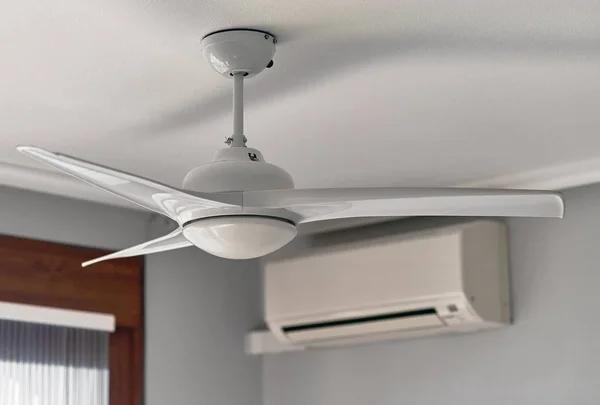
Once you recognize the need for replacement, researching different types of air conditioners becomes essential. Options include central air systems, ductless mini-splits, window units, and portable models. Central air conditioners are ideal for whole-home cooling but require existing ductwork or installation of new ducts. Ductless mini-split systems offer flexibility without ducts and can cool individual rooms efficiently. Window units suit smaller spaces or supplemental cooling needs but might not be practical for entire homes. Portable units provide temporary solutions but generally lack the power and efficiency of permanent installations.
Air Conditioner Replacement
Energy efficiency should be a priority when choosing a new air conditioner since modern models consume less electricity while providing visit this page better performance compared to older ones. Look for units with high Seasonal Energy Efficiency Ratio (SEER) ratings; higher SEER values translate to greater energy savings over time. Additionally, consider Energy Star-certified products that meet strict efficiency guidelines set by regulatory agencies.
Budgeting plays an important role in replacement planning because costs vary widely based on unit type, brand quality, installation complexity, and additional features such as smart thermostats or advanced filtration systems. Obtaining multiple quotes from licensed HVAC contractors ensures competitive pricing while verifying credentials guarantees proper installation standards are met.
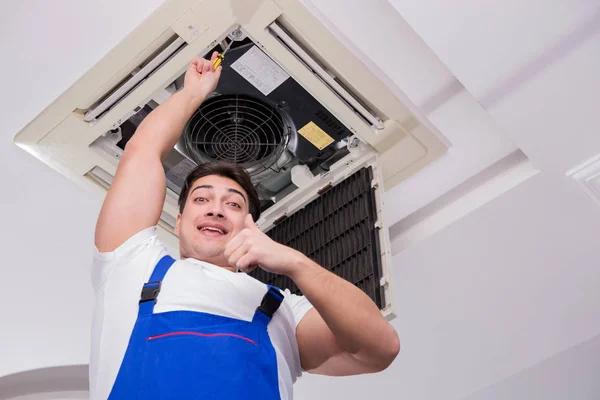
Scheduling professional installation is crucial to maximize system lifespan and maintain warranty coverage. Certified technicians will handle refrigerant handling safely while optimizing airflow balance throughout your home during setup.
After installation completes successfully, regular maintenance routines extend your new system’s effectiveness by preventing common issues like clogged filters or refrigerant leaks which degrade performance gradually.
In summary, replacing an air conditioner involves evaluating current equipment condition; understanding home-specific cooling demands; exploring suitable options emphasizing energy-efficient models; budgeting realistically; hiring qualified professionals for accurate sizing plus expert installation; then committing to ongoing maintenance practices to enjoy reliable comfort year-round without unexpected expenses down the line.
Mercury Home Services
Fallston, MD 21047
443-616-1589