
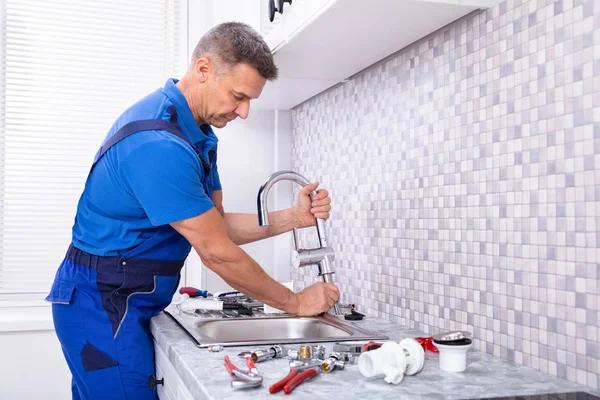
A home plumbing inspection is an essential part of maintaining a safe and efficient household. Every homeowner should be familiar with the basics of plumbing systems to identify potential issues early and avoid costly repairs. A thorough inspection involves examining visible pipes, fixtures, drains, water heaters, and shut-off valves to ensure everything functions properly. Starting with the main water supply line is crucial; check for any signs of leaks or corrosion that could lead to water damage or reduced pressure. Inspecting exposed pipes under sinks and behind appliances helps detect drips or moisture accumulation that might indicate a problem.
Faucets should be tested by turning them on fully and observing both hot and cold water flow. Slow drainage or sputtering sounds could signal clogs or air trapped in the lines. It’s important to examine all drains for slow draining water, foul odors, or backups as these can point toward blockages requiring professional attention. Toilet inspections involve flushing several times while listening for unusual noises like running water after the flush cycle ends. This may suggest faulty flappers or fill valves wasting water continuously.
Water heaters are another critical component during a plumbing inspection. Check around the base for leaks and inspect pressure relief get more information valves to confirm they are secure without corrosion buildup. The temperature setting should be moderate-usually around 120 degrees Fahrenheit-to prevent scalding risks while conserving energy consumption effectively.
Shut-off valves located near sinks, toilets, washing machines, and outside faucets must operate smoothly without stiffness or leakage when turned off and on during testing; this ensures homeowners can quickly isolate sections in emergencies such as burst pipes.
Homeowners should also pay close attention to signs of moisture damage on walls, ceilings, floors near plumbing fixtures since hidden leaks often manifest through discoloration or warped materials before becoming visible problems elsewhere in the home structure.
Regular maintenance includes cleaning aerators attached at faucet openings which accumulate mineral deposits over time affecting flow rate quality; removing sediment build-up from drains using natural solutions like baking soda combined with vinegar can keep pipes clear without harsh chemicals damaging them further down the line.
If any abnormalities arise during inspections-such as persistent dripping despite tightening connections-or if there is uncertainty about certain components’ conditions consulting a licensed plumber is advisable rather than attempting complex repairs independently which might worsen issues unintentionally.
Performing routine checks every six months allows homeowners to catch minor concerns early while extending their plumbing system’s lifespan significantly through timely interventions rather than emergency fixes later on when damages escalate rapidly resulting in expensive replacements beyond simple patch-ups.
