Replacing old plumbing lines is a significant undertaking for any homeowner, often necessitated by the age and condition of existing pipes. Understanding the cost involved in such a project is crucial to budgeting effectively and ensuring that the work is done efficiently and safely. Several factors contribute to the overall expense, including materials, labor, permits, and potential additional repairs.
Firstly, material costs can vary widely depending on the type of pipes chosen. Traditional options like copper are durable but come with a higher price tag compared to alternatives such as PEX (cross-linked polyethylene) or PVC (polyvinyl chloride). Each material has its advantages; for instance, copper is known for its longevity and resistance to corrosion while PEX offers flexibility and ease of installation at a lower cost. The choice between these materials will significantly impact your budget.
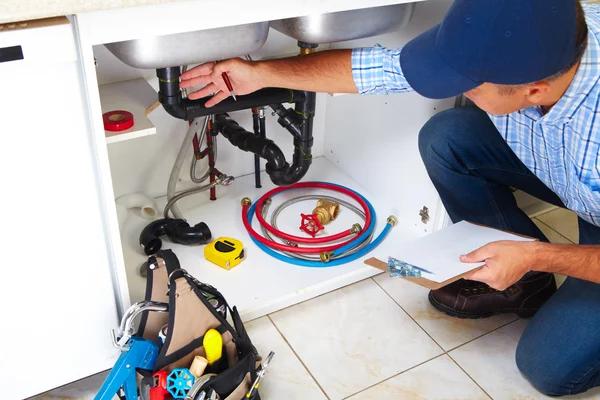
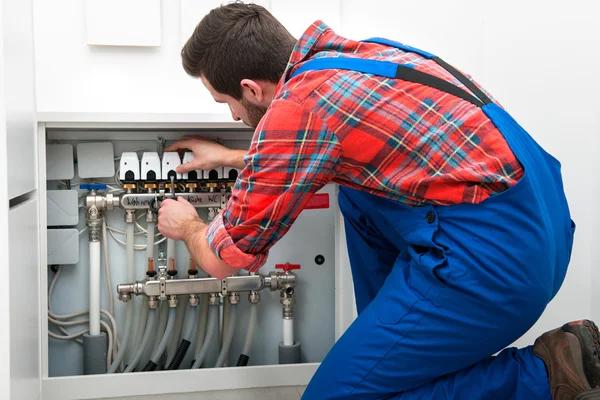
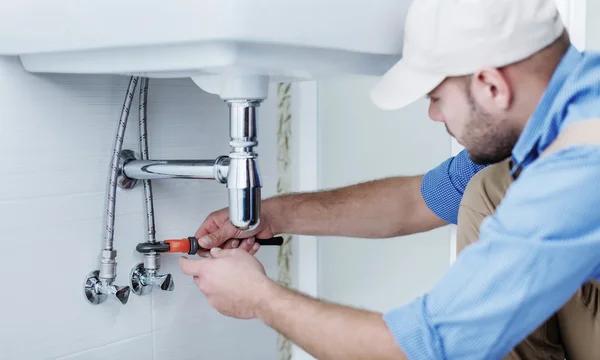
Labor constitutes another major portion of the expenses when replacing plumbing lines. Hiring professional plumbers ensures that the job meets local codes and standards but comes at a premium due to their expertise and experience. Labor costs can fluctuate based read on geographical location, complexity of the job, accessibility of current plumbing lines, and time required for completion. In some cases where extensive work is needed in hard-to-reach areas or if demolition is necessary to access pipes behind walls or under floors, labor costs can escalate quickly.
Permits are an often-overlooked aspect that adds to replacement costs. Most municipalities require permits for significant plumbing work to ensure compliance with building codes designed to protect residents’ safety. Permit fees vary by location but should be factored into any comprehensive estimate provided by contractors.
Unexpected issues may arise during replacement projects which could lead to additional repairs or modifications being necessary before new piping systems function optimally. For example, discovering mold growth or structural damage when accessing old pipes might necessitate further remediation efforts beyond just replacing lines themselves—each adding layers of cost not initially anticipated.
It’s also important not only focus solely on immediate outlays; consider long-term savings associated with upgrading outdated systems too! Modern piping solutions offer increased efficiency through reduced leakage risks leading potentially lower water bills over time compared older installations prone leaks bursts causing waste loss resources money alike!
In conclusion understanding what goes into calculating total expenditure related replacing aging infrastructure key making informed decisions about best approach tackle this essential home improvement task without undue financial strain stress along way!